
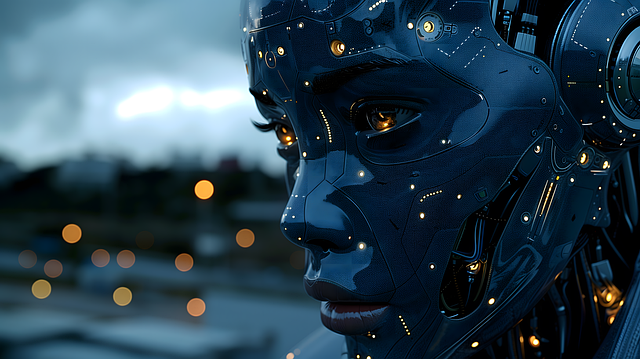
For years, the gold standard of tech content was the “Smartphone Unboxing.” A creator would peel back a plastic film, run a benchmark, and tell you if the camera was worth $1,000. But in 2026, the gadget has grown legs. It’s 125 pounds, it has 28 degrees of freedom, and it’s currently trying to fold your laundry in the middle of your kitchen.
The arrival of humanoid robots like Tesla’s Optimus Gen 2 and Figure 02 in “home testing” phases has triggered the most significant pivot in User-Generated Content (UGC) since the launch of the iPhone. We are moving from the era of the “Product Review” to the era of the “Robotic Cohabitation Diary.”
The highest-performing content category on TikTok and YouTube Shorts right now isn’t a spec-sheet comparison. It’s the “Living with a Humanoid for 30 Days” vlog.
In these videos, creators aren’t just showing what the robot can do; they are documenting the friction of the “Physical AI” revolution. Audiences are mesmerized by the mundane: Does the robot trip over the dog? Can it navigate the transition from hardwood to carpet while holding a glass of water? How does the family’s toddler interact with a bipedal machine that stands 5’8”?
This content works because it bridges the “Uncanny Valley” with humor and relatability. When an Optimus bot miscalculates the force needed to pick up a strawberry and turns it into jam, it’s a viral moment that humanizes the high-tech. It’s no longer about “The Future”; it’s about a messy, mechanical roommate.
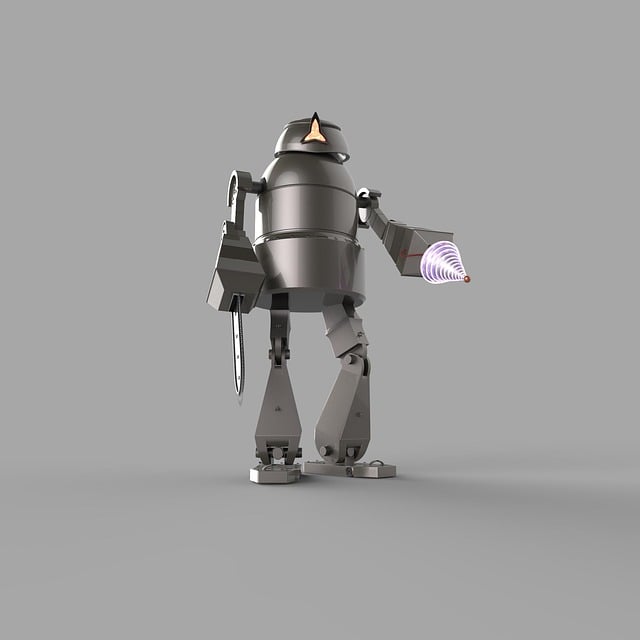
However, as the novelty wears off, a more serious niche is exploding: the Guardian Creator.
As humanoids move from labs to living rooms, they bring unprecedented risks. A robot isn’t just a computer; it is a computer that can physically interact with its environment. This has birthed a new breed of “Physical White-Hat” influencers who focus exclusively on Safety & Ethics Testing.
These “Guardian” creators are filling a massive trust gap. By attempting to “jailbreak” a Figure 02 or tricking an Optimus into ignoring a “No-Go Zone” near a fireplace, they are providing the independent verification that consumers crave before they let a 60kg machine sleep in the hallway.
For creators, this shift represents a high barrier to entry. You can’t “fake” living with a humanoid. It requires physical space, a high upfront investment (even with lease-to-test programs), and a genuine understanding of robotics safety.
This creates a new “moat” for top-tier tech influencers. While the “Agent-Influencers” of OpenClaw are dominating the digital workflow space, the Physical AI Creators are becoming the authorities on the hardware that will eventually run our households. They are transitioning from being “reviewers” to being “human-robot interaction specialists.”
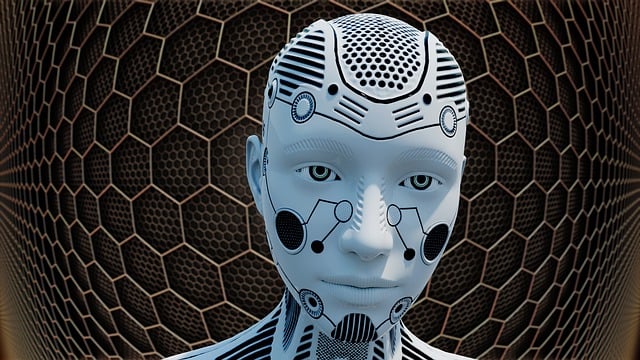
By the end of 2026, we expect “Robot Safety Ratings” from creators to carry more weight than official safety certifications. Much like the Consumer Reports of old, these influencers are building an Accountability Economy. If a creator discovers a firmware vulnerability that allows a robot to be manipulated via a simple voice-cloning hack, that video will move markets. The companies that survive the “home testing” phase will be those that embrace this transparent, sometimes brutal, UGC scrutiny.
The message to the tech world is clear: The most important “benchmark” for a humanoid robot isn’t how fast it can walk—it’s how safely it can fail in front of a camera.